
How We Teach And Assess You
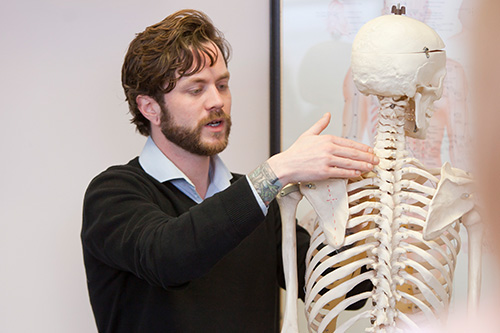
Honed over 35 years of training great acupuncturists, we are constantly developing our course to keep at the cutting edge of acupuncture training. The pandemic taught us a lot about online teaching and our BSc in Acupuncture is now taught by a dynamic mix of:
- In-College practical classes
- Live online & in-College theory classes
- Home study
- Bringing it all together in our teaching clinic
- Assessments Exams
How we teach you in the classroom (in-College and online)
Practical classes (bodywork, pulses, needling, point location) are taught in class with a good ratio of tutors to students so that you have plenty of help. Theory classes are a mix of live online teaching with some teaching in-College.
How we teach you via e-learning
Part of your course is delivered by e-learning - a series of pre-recorded lectures and demonstrations you access at home via your computer at times that suit you. Your tutor will be online periodically during the week to provide feedback and answer questions. Once the ‘live’ period has finished, the session remains available to watch for revision purposes, throughout the duration of the course.
Check out an e-learning session
Your home study
Home study includes a variety of activities such as further reading, writing assignments, exam revision and practising point location and massage techniques. For every hour of directed study (i.e., classroom and e-learning) you need to factor in two hours of home study. This equates to around 20 hours per week if you are studying full time and 10-15 hours per week if you are studying part time.
The Student Take
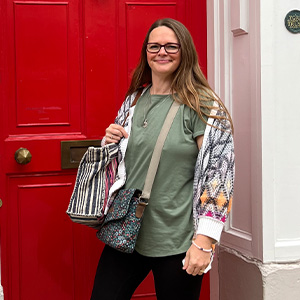
Beth Slater
"In addition to our in-person classes we have weekly e-learning sessions. These are digital classes, usually a recorded lecture with slides and a set of questions at the end to check our understanding. This is a great way to learn as we can do this at any time of the day or week, fitting it in around our daily lives. There is the option to email the tutor if we need any extra clarity or guidance. All classes including inperson lessons, online live lessons on Teams and the e-learning sessions have class notes that can be accessed on the Virtual Learning Environment. This means that we are able to view the class notes and slides for revision whenever we need. If anyone had told me a few years ago that I would be studying for a degree at the age of 46 I might not have believed them! However I am now fully immersed in the Bsc in Acupuncture and loving every minute."
Read more about Beth’s start as a Year 1 acupuncture student on our Blog
How we teach you in our clinic
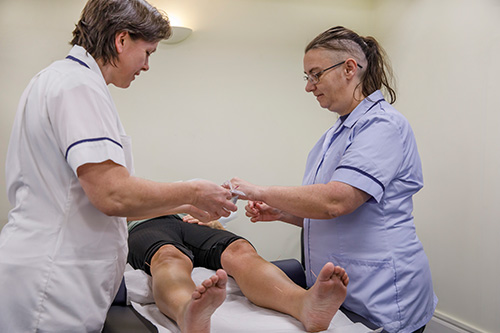
Everything you learn in class is backed up with practical experience in our busy and vibrant clinic here at the College. You will start learning in clinic from your first term and as you grow more confident and knowledgeable your days increase.
How we assess you
Our assessments are designed to help you grow and develop as a practitioner throughout your training and as part of your learning, you will undertake a wide variety of assessments which allow different students to show their individual strengths.
Academic progression from year to year
In order to academically progress into the next year of study you need to pass all the module assessments. The minimum pass rate for assessments is 40% and there is one opportunity to resubmit or resit.
Minimum attendance
You will also need to meet our minimum attendance requirement which is 80% of classroom and online learning and 100% of clinical learning.
Exams
As is to be expected on an acupuncture degree course, there are examinations in each year to assess your progression and knowledge.